
Indoor Air Quality Products for Cleaner Home Air
Bringing proven expertise and quality workmanship to every job.
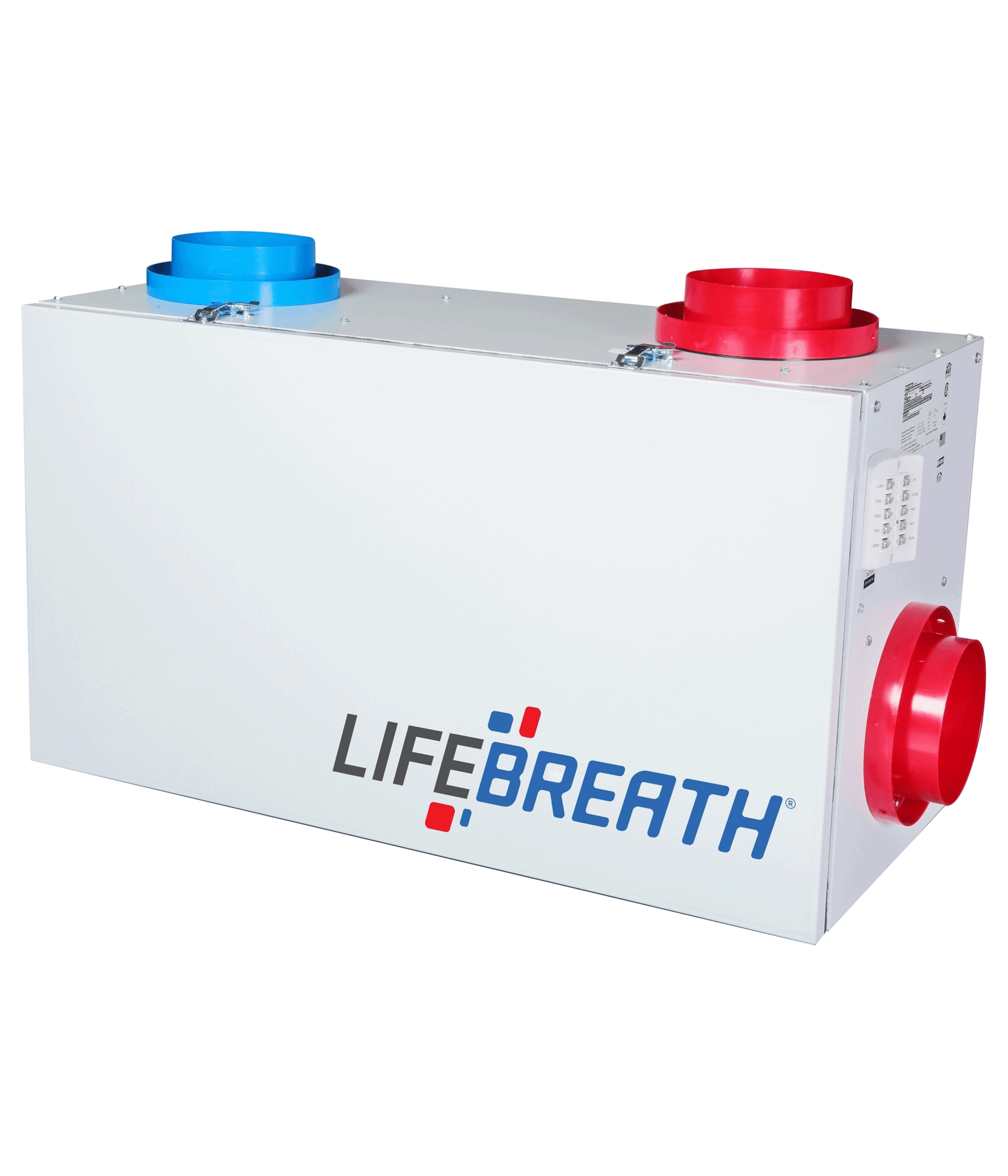
HRV & ERV Systems
An HRV or ERV helps your home breathe. These systems remove stale indoor air while bringing fresh outdoor air into the home, helping improve ventilation without simply relying on open windows. HRVs and ERVs are mechanical ventilators designed to remove stale and stagnant air from the home while bringing fresh air inside to improve and maintain indoor air quality. Newer homes are often built very airtight, which can support energy efficiency but may create indoor air quality concerns if fresh air is not properly introduced.
Is an HRV or ERV Right for Your Home?
An HRV or ERV may be the right choice if your home feels stale, stuffy, damp, dry, or tightly sealed. These systems can be especially useful in newer or renovated homes where improved airtightness may limit natural air exchange. An HRV, or heat recovery ventilator, is commonly used in colder climates. HRV helps keep heat inside the home while exchanging stale indoor air with fresh outdoor air. An ERV, or energy recovery ventilator, works similarly but also supports humidity control. An ERV can help retain indoor moisture in winter and help prevent excess humidity from entering the home in summer.
How to Choose the Right HRV or ERV
Choosing between an HRV and an ERV depends on your home’s ventilation needs, humidity concerns, existing HVAC setup, home size, and how airtight the home is. CK Mechanical carries HRV and ERV systems designed for residential applications, high-rise buildings, and townhomes, including Lifebreath and vänEE product options.
Contact Us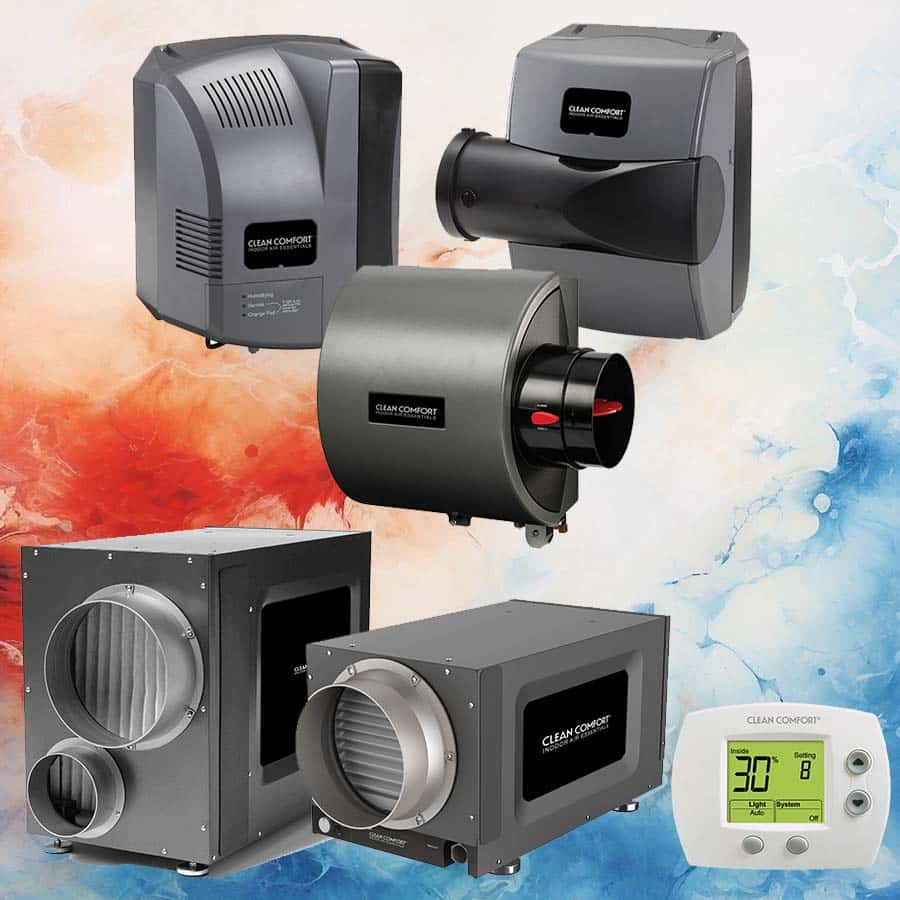
Whole-Home Humidifiers
A whole-home humidifier helps add balanced moisture to your indoor air through your HVAC system. Instead of relying on portable humidifiers that only treat one room at a time, a whole-home system is designed to support more consistent humidity throughout the home. A whole-home humidifier is an investment in home comfort and health, maintaining humidity levels between 40 and 60 percent can help prevent dry skin, respiratory issues, and damage to home furnishings. Whole-home humidifiers can help reduce static electricity and airborne allergens.
Is a Whole-Home Humidifier Right for Your Home?
A whole-home humidifier may be the right choice if your home feels dry during the heating season, or if you notice static electricity, dry skin, irritated nose or throat, dry air discomfort, or cracking wood floors, doors, furniture, or trim. Humidity can make the air feel warmer at cooler temperatures, which may reduce strain on the heating system and potentially help with heating costs. Humidifiers can help minimize irritation in the nose and throat, reduce static electricity, and help protect wood from becoming brittle due to dry air.
How to Choose the Right Whole-Home Humidifier
Choosing the right whole-home humidifier depends on your home’s size, ductwork, furnace setup, current humidity levels, available installation space, and comfort goals.
Contact Us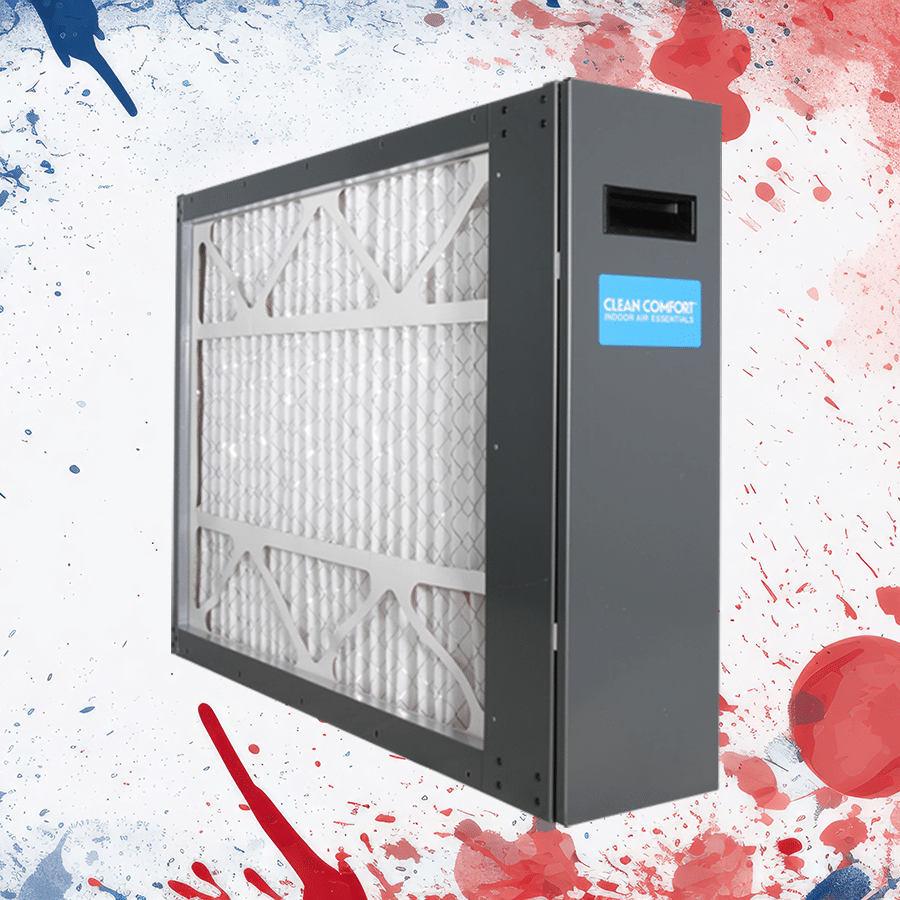
Whole-Home Air Purification Systems
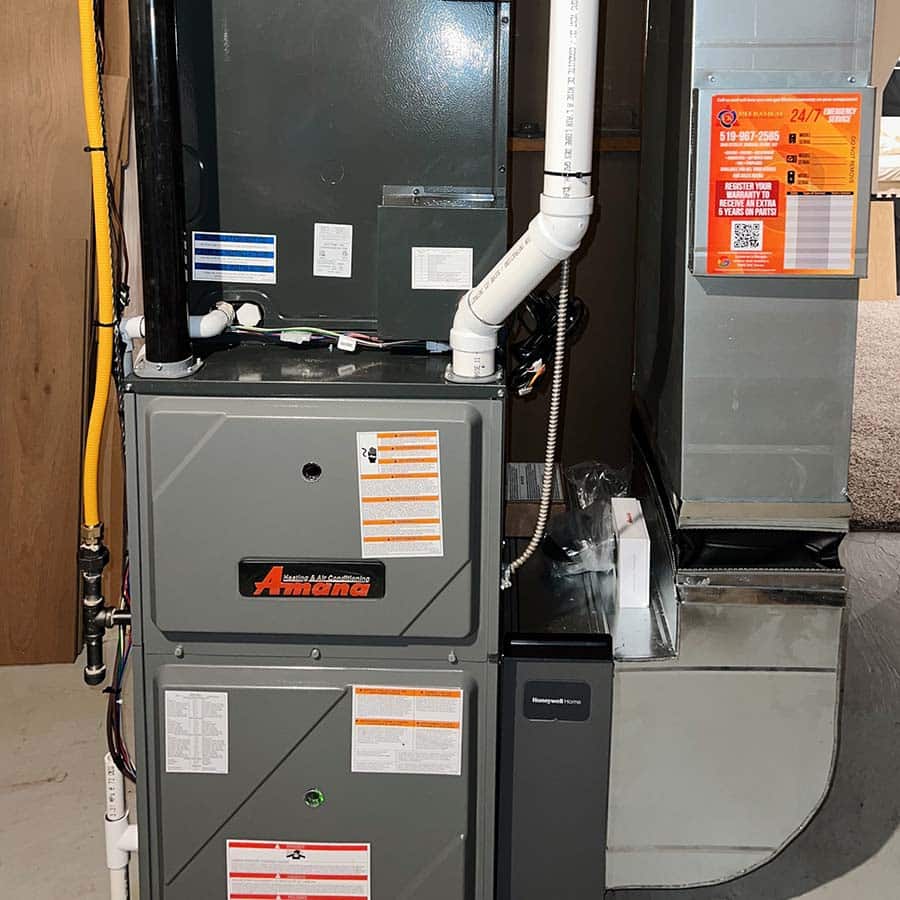
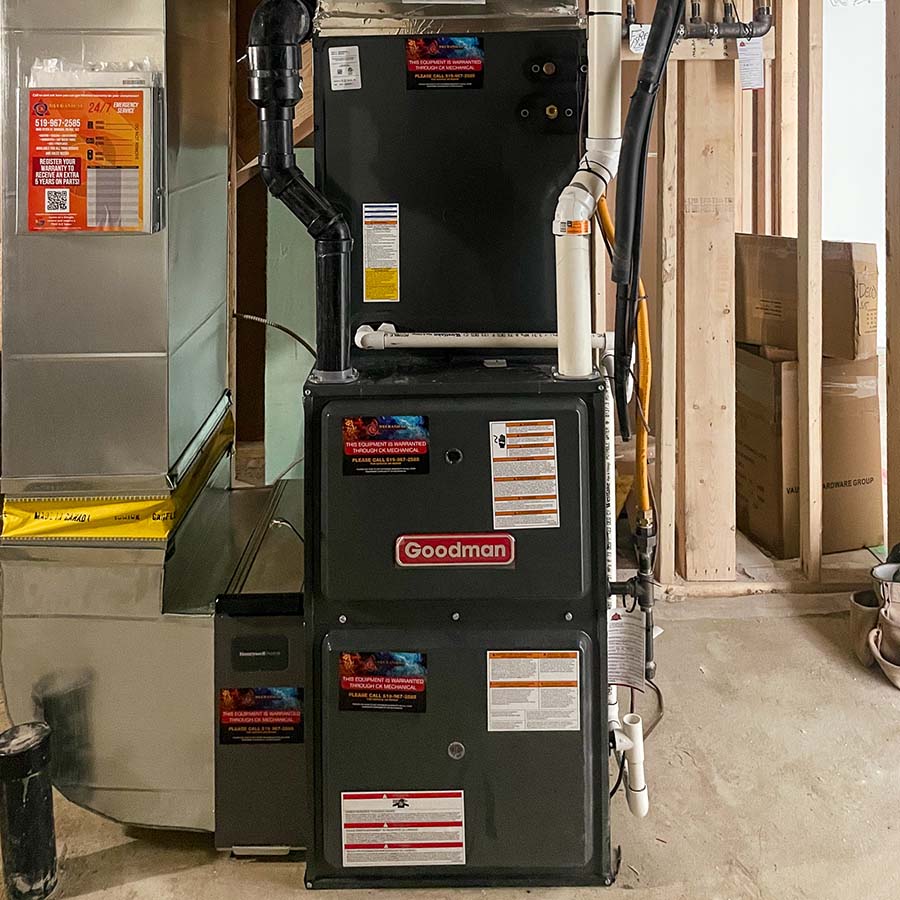
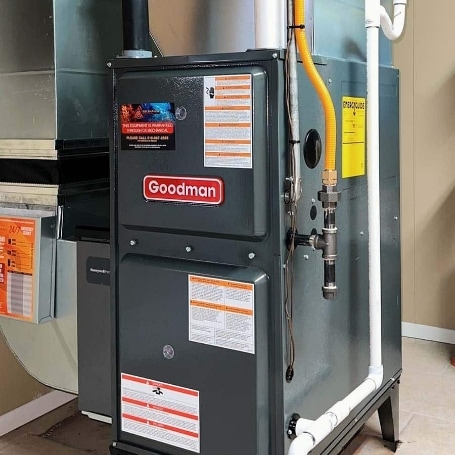
A whole-home air purification system works with your furnace or air handler to help clean the air as it moves through your HVAC system. Unlike portable units that only address individual rooms, a whole-home system is designed to improve air quality throughout the house. Whole-home air purification systems help improve home comfort and indoor air quality by working with the furnace or air handler to capture and eliminate airborne viruses and other pollutants that can trigger allergies, asthma, and other respiratory issues. These systems can help reduce odours from cooking, pets, and tobacco smoke.
Is a Whole-Home Air Purifier Right for Your Home?
A whole-home air purification system may be the right choice if your household is concerned about allergens, dust, pet dander, pollen, smoke, odours, mould spores, bacteria, or other airborne contaminants. Air purification benefits include: improved indoor air quality, reduced exposure to pollutants, allergens, and irritants, cleaner air throughout the home, greater comfort, improved convenience, and reduced strain on the HVAC system.
How to Choose the Right Air Purification System
Choosing the right air purification system depends on what you want to reduce in your indoor air, how your HVAC system is configured, and the level of filtration your household needs. CK Mechanical advises homeowners to consider air quality concerns such as pet dander, pollen, and airborne contaminants, and to look at filtration efficiency when selecting an air purifier. Portable air purifiers are intended for individual rooms, while whole-home systems are designed to clean air throughout the entire home.
Contact Us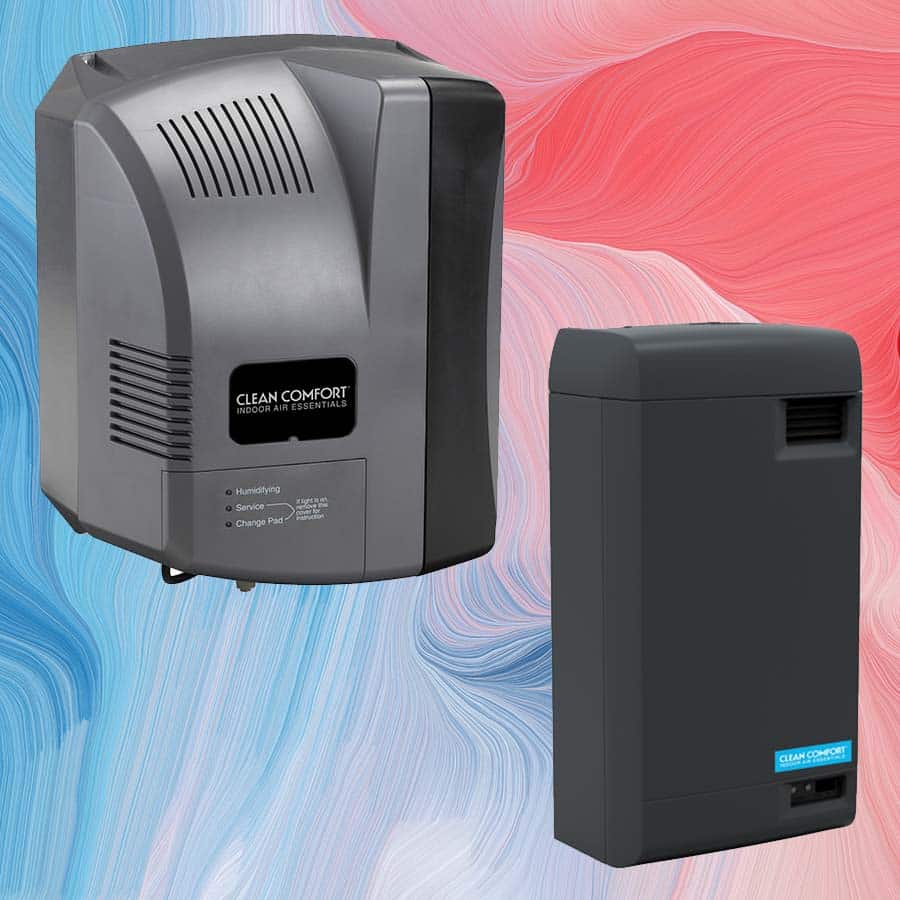
Steam & Evaporative Humidifiers
Steam and evaporative humidifiers both help add moisture to dry indoor air, but they do it in different ways. The right choice depends on your home, HVAC system, humidity needs, budget, and desired level of performance.
Is a Steam or Evaporative Humidifier Right for Your Home?
A steam humidifier may be the right option if your home needs stronger humidity output or a system that can add moisture without relying as heavily on furnace operation. Steam systems are often considered for homeowners who want a higher-performance whole-home humidity solution. An evaporative humidifier may be the right option if you want a practical whole-home humidification system that works with your forced-air HVAC equipment. Bypass and fan-powered humidifiers use airflow through the ductwork to distribute moisture, with fan-powered models using their own fan to move moisture through the system. Fan-powered humidifiers can operate even when the furnace is off and can add increased moisture to the air, making them suitable for larger homes.
How to Choose Between Steam and Evaporative
Choosing between steam and evaporative humidification depends on your home size, furnace operation, ductwork, humidity goals, maintenance preferences, water and electrical requirements, and available installation space. CK Mechanical can review your current HVAC system, existing humidity levels, comfort concerns, and budget to help determine whether a steam, bypass, or fan-powered humidifier is the better fit.
Contact Us